

The world is on the brink of an energy revolution, and it’s not just about solar panels and wind turbines anymore. Emerging technologies in renewable energy are shaking things up faster than you can say “sustainable future.” From harnessing the power of the sun with advanced solar cells to capturing energy from ocean waves, innovation is making green energy more accessible and efficient than ever.
Imagine a future where clean energy is as common as your morning coffee. These cutting-edge technologies are not only helping to reduce carbon footprints but are also creating jobs and driving economic growth. So, buckle up as we explore the exciting breakthroughs that are transforming the energy landscape and proving that going green doesn’t have to mean going without. It’s time to embrace the future of energy—because who wouldn’t want to save the planet while enjoying a little tech magic?
Overview of Renewable Energy
Renewable energy fulfills the demand for cleaner energy sources, addressing climate change challenges. Various forms include solar, wind, hydroelectric, biomass, and geothermal energy. Solar energy harnesses sunlight through photovoltaic cells, generating electricity efficiently. Wind energy captures the kinetic energy of moving air using turbines, providing sustainable power.
Hydroelectric energy relies on flowing water to produce electricity, making it a reliable source of renewable power. Biomass energy derives from organic materials, converting waste into usable energy while reducing landfill dependence. Geothermal energy taps into the Earth’s heat, offering consistent energy with minimal environmental impact.
Innovations enhance the efficiency of these renewable sources. Advanced solar technologies, like concentrated solar power, increase energy capture and conversion rates. Offshore wind energy installations harness stronger winds, boosting electricity output. Ocean energy projects explore wave and tidal technologies, unlocking additional clean energy potential.
Investment in renewable energy technologies grows exponentially. According to the International Renewable Energy Agency, global renewable energy capacity reached 2,799 gigawatts in 2020, representing a 10.3% increase from 2019. Job creation rises alongside these advancements, with over 11 million people employed in the sector worldwide as of 2018.
Policies promoting renewable energy adoption strengthen the shift toward sustainability. Governments implement incentives to foster investment in clean technologies. Public awareness campaigns educate communities about the benefits of transitioning to renewable energy sources.
Each of these developments showcases the progress in creating a sustainable energy future through technological advancements.
Key Emerging Technologies
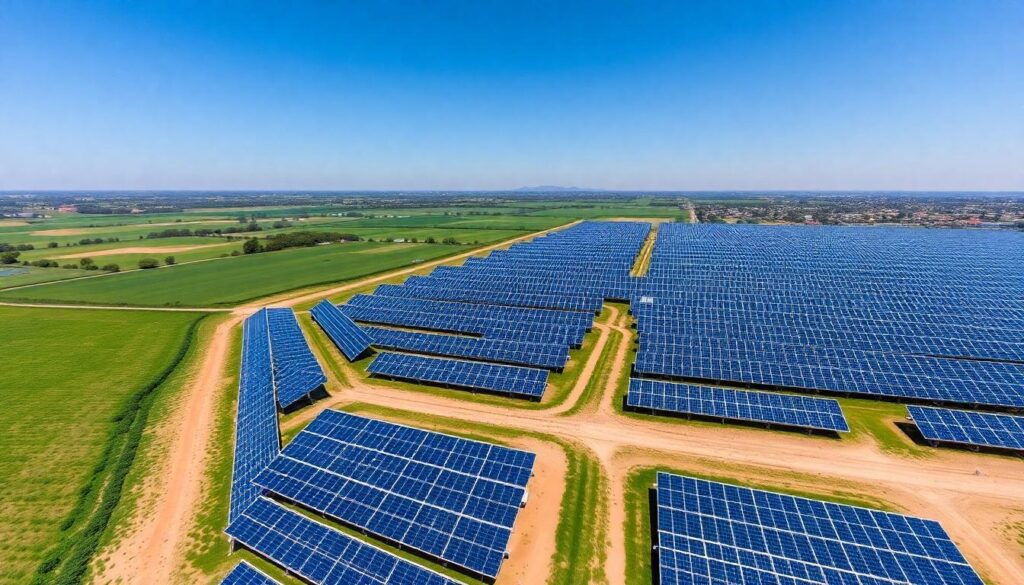
Emerging technologies drive progress in renewable energy, presenting innovative solutions that enhance efficiency and sustainability. Here’s a closer look at some of the key advancements reshaping this sector.
Solar Power Innovations
Innovations in solar power focus on improving efficiency and reducing costs. Advanced solar cells, such as perovskite and bifacial solar panels, increase energy conversion rates beyond traditional silicon panels. Additionally, integrated solar technology combines solar energy generation with building materials, promoting seamless adoption in urban areas. The introduction of floating solar farms also optimizes space, minimizing land use while harnessing sunlight on water surfaces.
Wind Energy Advancements
Wind energy advancements enhance generation capacity and reduce environmental impacts. Innovative turbine designs, including larger blades and vertical axis configurations, capture more wind with improved aerodynamics. Offshore wind farms are gaining traction, with their potential to harness stronger and more consistent winds. These projects benefit from advancements in floating turbine technology, allowing installation in deeper waters, thus expanding accessibility to untapped wind resources.
Energy Storage Solutions
Energy storage solutions play a crucial role in balancing supply and demand in renewable energy. Battery technologies, such as lithium-ion and sodium-sulfur, continue to evolve, offering higher capacity and longer lifespans. Grid-scale energy storage systems help manage the intermittent nature of renewable sources by storing excess energy during peak production. Furthermore, innovative approaches, like pumped hydro storage and compressed air energy storage, provide additional flexibility for integrating renewable energy into existing grids.
Impact on Sustainability
Emerging technologies in renewable energy significantly impact sustainability through their contributions to environmental responsibility.
Reducing Carbon Footprint
New innovations in renewable energy sources lower carbon emissions effectively. Advanced solar cells and wind turbines capture energy with greater efficiency. For instance, perovskite solar panels can reach efficiencies over 25%, dramatically reducing reliance on fossil fuels. Studies show a global shift to renewable sources could reduce CO2 emissions by 70% by 2050. Furthermore, the increased adoption of biomass energy converts waste into usable energy, further cutting down emissions. Transitioning to these technologies plays a crucial role in combating climate change.
Enhancing Energy Efficiency
Energy efficiency gains stem from cutting-edge developments in renewable technologies. Enhanced turbine designs for wind energy maximize output while reducing footprint. Floating solar farms utilize underused water surfaces, generating significant power without occupying land. Research indicates that integrating energy storage systems improves efficiency during peak demand periods. Additionally, concentrated solar power systems capture and store thermal energy, providing reliable electricity. As these innovations proliferate, they ensure effective energy usage and support a sustainable future.
Challenges and Barriers
Emerging technologies in renewable energy face several challenges and barriers that can hinder their progress and widespread adoption. These obstacles encompass financial constraints and technological limitations, which require attention for advancements to thrive.
Financial Constraints
Funding plays a crucial role in the development of renewable energy technologies. High initial costs associated with research, development, and infrastructure create barriers for investors. Many emerging technologies, such as advanced solar cells, require significant capital investment before achieving profitability. Securing financing through public and private sectors becomes essential for scaling these innovations. Without adequate financial backing, projects often face delays or cancellations, impacting overall growth in renewable energy capacity.
Technological Limitations
Technological hurdles also present challenges in the renewable energy sector. Efficiency and reliability of new technologies often lag behind traditional sources. For instance, some advanced solar panels and wind turbines struggle with performance consistency under varying environmental conditions. Integration of renewable sources into existing energy grids poses additional complications. Developing energy storage solutions requires further innovation and optimization to maintain grid stability. Addressing these technological limitations is vital for ensuring that renewable energy can compete with conventional energy systems efficiently.
The future of renewable energy is bright with the emergence of innovative technologies that promise to reshape the energy landscape. As advancements continue to unfold they pave the way for a cleaner and more sustainable world. The integration of cutting-edge solutions like advanced solar cells and offshore wind farms not only enhances efficiency but also fosters economic growth and job creation.
While challenges remain in terms of funding and technology reliability addressing these barriers is essential for widespread adoption. Embracing these breakthroughs will not only contribute to a significant reduction in carbon emissions but also solidify the foundation for a resilient energy future. The momentum behind renewable energy technologies signals a transformative shift towards sustainability that’s both achievable and necessary for generations to come.


