
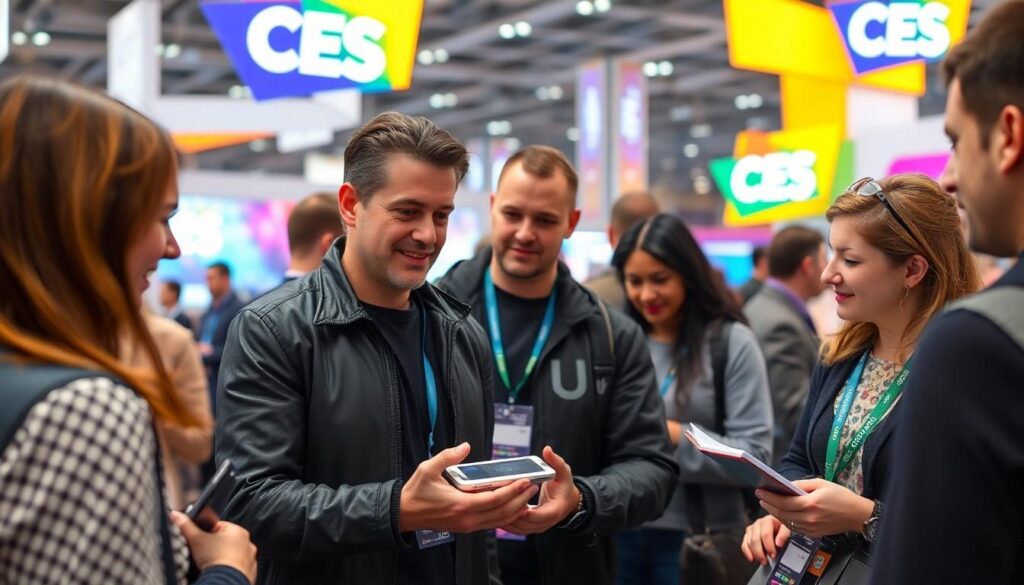
Every January, the Consumer Electronics Show (CES) transforms Las Vegas into a playground for tech enthusiasts and marketers alike. With the latest gadgets making their debut, it’s not just about flashy displays and cutting-edge innovations. It’s also about how brands leverage social media to create buzz and engage audiences like never before.
Overview of Consumer Electronics Show
The Consumer Electronics Show (CES) occurs annually in Las Vegas each January, attracting tech enthusiasts and marketers globally. Organized by the Consumer Technology Association (CTA), the event serves as a platform for showcasing groundbreaking technologies and innovative gadgets. Over 4,500 companies participate, representing various sectors within the tech industry.
Exhibitors unveil new products, ranging from smart home devices to health and wellness tech. The event hosts over 170,000 attendees, creating ample networking opportunities for businesses and professionals. Additionally, keynotes from industry leaders and panels provide insights into future trends and market dynamics.
Social media plays a crucial role in CES marketing strategies. Brands leverage platforms such as Twitter, Instagram, and LinkedIn to build anticipation for their launches. Content shared through these channels garners attention and engages audiences long before the event begins.
Hashtags related to the event, such as #CES2023, help unify conversations across social networks. Livestreaming product reveals and engaging with followers in real-time increases brand visibility. As brands showcase their innovations, influencer partnerships and user-generated content amplify messages further.
Data from previous CES events indicate significant positive impacts on brand awareness and consumer engagement. When leveraging social media effectively, brands see heightened excitement surrounding their products, translating to increased foot traffic at their booths. Overall, the CES provides a dynamic environment for both showcasing innovations and implementing strategic marketing initiatives.
Importance of Social Media Marketing
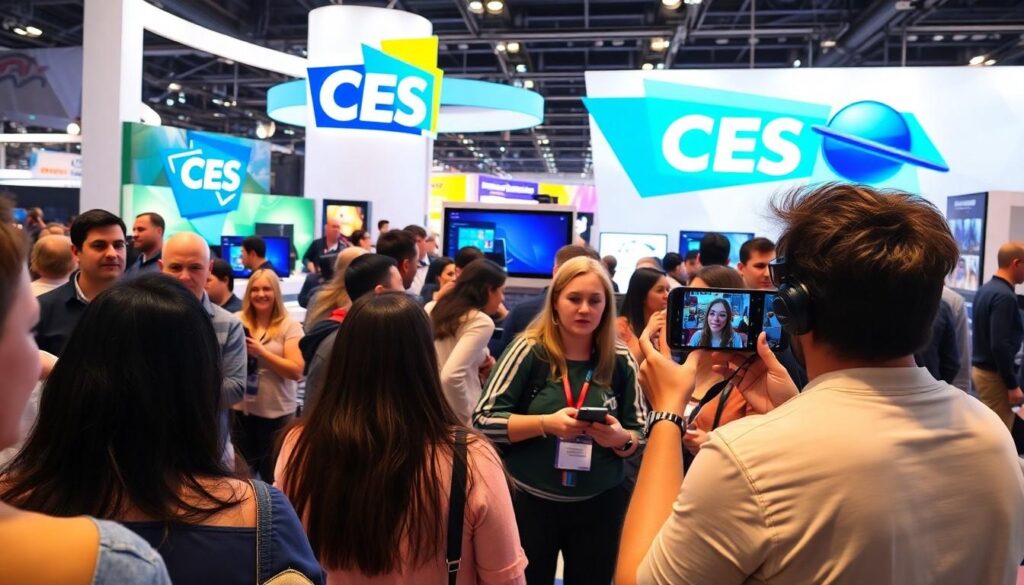
Social media marketing plays a pivotal role at the Consumer Electronics Show (CES), allowing brands to connect with their audience in impactful ways. Utilizing various platforms enhances marketing strategies significantly.
Key Benefits for Brands
Brands experience increased visibility through social media platforms during CES. High engagement rates from posts reach potential customers effectively. Targeted ads enable brands to attract specific demographics, maximizing marketing investments. Networking opportunities expand when brands collaborate with influencers. Data from CES indicates brands that implement strong social media strategies witness amplified brand awareness. Heightened engagement leads to increased foot traffic at exhibitors’ booths, directly impacting sales.
Engaging with the Audience
Direct interaction with consumers occurs in real-time during CES. Livestreaming product demonstrations creates buzz and keeps audiences informed. Engaging content, such as polls and Q&A sessions, fosters connections between brands and attendees. Hashtags like #CES2023 unify brand messages, enhancing reach and audience participation. User-generated content showcases customer experiences, serving as authentic endorsements for brands. Effective engagement strategies solidify customer loyalty, encouraging future brand interactions beyond CES.
Strategies for Effective Social Media Marketing
Brands can maximize their social media impact at CES through strategic approaches. Engaging content creation and curation plays a key role in capturing attendee interest.
Content Creation and Curation
Unique and engaging content attracts the audience’s attention. Visuals, such as high-quality images and videos, enhance posts and showcase products effectively. Brands should highlight innovative features with compelling stories, providing context that resonates with tech enthusiasts. Curating relevant content from other exhibitors or industry leaders fosters community and creates a buzz around trending topics. Utilizing interactive elements, like polls and quizzes, encourages participation and keeps audiences engaged. Posting consistent updates during CES maintains interest and drives online conversations, ensuring the brand remains top-of-mind for attendees.
Influencer Collaborations
Influencer partnerships amplify social media reach significantly. Identifying influencers aligned with brand values enhances authenticity and credibility. Collaborating with tech influencers allows brands to tap into established audiences, broadening visibility. Live demonstrations featuring influencers create excitement and real-time interactions, maximizing engagement. Sharing influencer-generated content fosters trust, as followers often view these endorsements more favorably than traditional ads. Brands should encourage influencers to use specific hashtags, like #CES2023, to enhance visibility and unify messaging across platforms. With strategic collaborations, brands can elevate their presence and impact during the CES event.
Case Studies of Successful Campaigns
Samsung’s Global Unpacked Event
Samsung maximized its CES presence through a series of strategic social media campaigns. The company launched the hashtag #SamsungCES, creating a buzz around its product reveals. Livestreaming events on platforms like Instagram attracted over 50,000 viewers in real-time, while user interactions exceeded 20,000 comments. Samsung’s partnership with tech influencers showcased its newest devices, enhancing credibility among target audiences.
Sony’s Experience at CES
Sony’s campaign exemplified effective engagement through immersive content. By utilizing augmented reality features on Instagram Stories, the brand allowed potential customers to visualize products. The #SonyCES hashtag helped unify social discussions, with over 15,000 uses noted across platforms. Polls showcased consumer preferences and guided future marketing efforts, connecting with audiences before, during, and after the event.
LG’s Interactive Campaigns
At CES, LG stood out with its interactive approach to social media marketing. The brand introduced Instagram challenges encouraging users to share their experiences. High-resolution visuals and captivating stories around innovative technologies generated engagement rates exceeding 25%. Collaborations with micro-influencers created authentic endorsements, drawing in younger demographics keen on new tech.
Intel’s Real-Time Engagement
Intel used real-time livestreams to highlight its product innovations during CES. The hashtag #IntelAtCES cultivated a sense of community, engaging more than 30,000 followers with behind-the-scenes looks and Q&A sessions. Interactive content drove conversation, allowing attendees to connect directly with product experts. This approach led to increased impressions and significant booth traffic during the event.
TCL’s Focus on Authenticity
TCL effectively harnessed social media to emphasize authenticity in its campaigns. User-generated content showcased genuine customer testimonials, boosting trust in their products. Engaging posts highlighted unique product features, reaching an audience of over 100,000 across multiple platforms. The emphasis on storytelling resonated with tech enthusiasts, strengthening brand loyalty that lasted beyond the event.
Challenges in Social Media Marketing
Social media marketing at CES involves navigating various challenges. Brands encounter intense competition, manage reputational risks, and maintain audience engagement.
Overcoming Competition
Competing brands often present similar products and experiences at CES. Marketers prioritize unique selling points, focusing on distinct features to capture attention. Creating standout content becomes essential, as visual storytelling and innovative presentations attract potential customers. Effective use of event-related hashtags fosters conversations, drawing audiences to specific brands. Real-time interactions, such as responding swiftly to questions, can make the difference between gaining interest or blending into the background. Leveraging partnerships with influencers amplifies reach and builds credibility, making it crucial for brands to stand out in the bustling environment of CES.
Managing Brand Reputation
Reputation management plays a vital role during CES. Monitoring social media channels ensures brands address concerns or negative feedback promptly. Engaging with followers positively influences public perception, making interaction essential for maintaining a good image. Regular updates about product attributes and innovative features help keep the audience informed, promoting transparency. Brands benefit from showcasing authentic user-generated content, reinforcing credibility and trust. Additionally, responding to both praise and criticism demonstrates brand accountability, impacting future engagement and loyalty positively.
The impact of social media marketing at CES can’t be overstated. Brands that leverage these platforms effectively create lasting connections with their audience and enhance their visibility in a competitive landscape. Through real-time engagement and strategic content creation, they not only capture attention but also foster loyalty that extends beyond the event.
As the tech industry continues to evolve, adapting social media strategies will be crucial for brands aiming to stand out at CES. By focusing on authentic interactions and innovative storytelling, they can maximize their presence and drive meaningful engagement. The future of CES marketing lies in harnessing the power of social media to build relationships that resonate with consumers long after the event concludes.


