

In a world where smartphones seem to have a mind of their own and smart fridges can remind you to buy milk, the consumer electronics industry is buzzing with innovation. Companies in this space are not just selling gadgets; they’re crafting the future of how people connect, work, and play. From sleek laptops to voice-activated assistants, these tech titans are on a mission to make life easier, one device at a time.
Overview of Consumer Electronics Industry Companies
Companies in the consumer electronics industry focus on innovation and technology. Major players like Apple, Samsung, and Sony lead the market, producing a wide range of devices. Smartphones, laptops, tablets, and smart home appliances represent core product categories designed to enhance daily activities.
Apple’s focus on seamless integration between hardware and software defines its approach. Samsung prioritizes diverse product offerings, from televisions to wearables, positioning itself as a versatile brand. Sony emphasizes entertainment technology, delivering high-quality audio and visual experiences.
Emerging companies are also reshaping the landscape. Brands like Xiaomi and OnePlus target price-sensitive consumers with feature-rich devices. Startups often bring fresh ideas, focusing on specific niches within the market.
Market dynamics influence competition significantly. Consumer preferences shift toward smart and connected devices, prompting companies to adapt. Sustainability also impacts manufacturing practices, with many brands seeking eco-friendly materials and production processes.
Investment in research and development remains vital for sustained growth. Companies allocate substantial budgets to develop next-generation technology, such as artificial intelligence and enhanced connectivity features. This commitment drives advancements in product capabilities.
Consumer electronics companies work collectively to shape the tech landscape. Partnerships between brands and software developers enhance user experiences through improved applications and services. Collaboration helps integrate new technologies, driving innovation and creating more sophisticated devices.
Overall, the consumer electronics industry thrives on continuous evolution. Companies respond to both market demands and technological advancements. Consumer expectations remain high, pushing brands to deliver cutting-edge innovation regularly.
Key Players in the Market
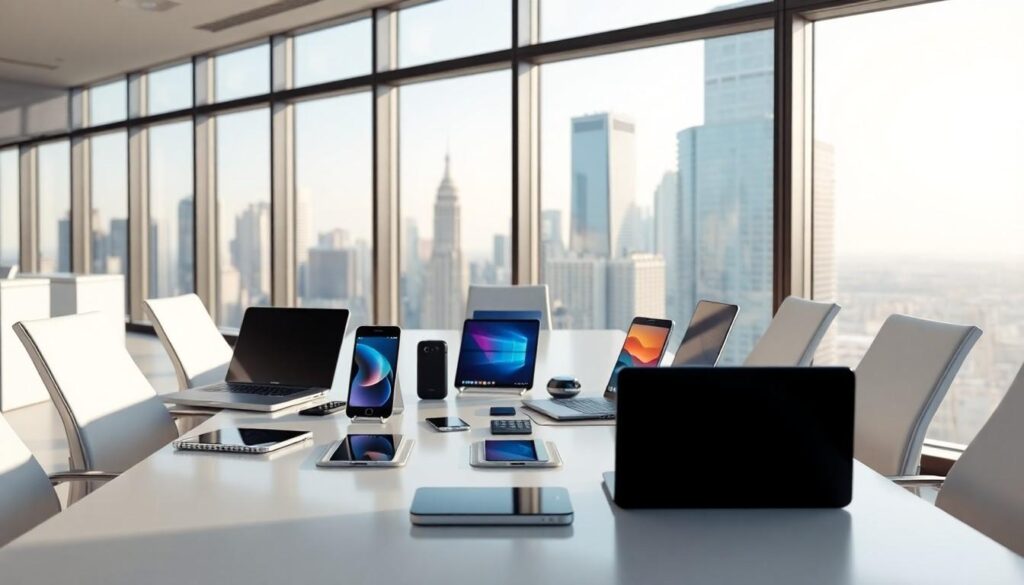
The consumer electronics market showcases leading and emerging companies that drive innovation and shape technology.
Leading Brands
Apple stands out for its seamless integration of hardware and software. Samsung leads through its diverse product lineup, catering to various customer needs. Sony excels in high-quality entertainment technology, offering immersive experiences. Microsoft is known for software solutions that complement various hardware devices. LG focuses on home appliances, enhancing everyday life with smart features. Each company implements distinct strategies to stay ahead in a competitive landscape.
Emerging Companies
Xiaomi rapidly gains traction by offering feature-rich devices at affordable prices. OnePlus appeals to tech enthusiasts with its premium look and performance without a hefty price tag. Oppo captures interest through innovative smartphone designs and camera technology. Realme positions itself as a value-oriented brand, attracting younger consumers. These emerging players disrupt traditional market dynamics, targeting price-sensitive audiences and pushing established companies to innovate further.
Innovations Driving the Industry
Innovation fuels growth within the consumer electronics industry. Companies consistently integrate advanced technologies and sustainable practices to enhance product offerings.
Technological Advancements
Major companies prioritize artificial intelligence, machine learning, and the Internet of Things. They create smart devices that communicate and interact seamlessly. Enhanced connectivity improves user experiences, evident in devices like smart home systems and wearables. Brands continuously refine their products, focusing on speed and efficiency to meet consumer demands. For example, Apple’s integration of AI in Siri improves functionality. Likewise, Samsung introduces innovative camera technologies, setting new benchmarks in smartphone photography.
Sustainability Efforts
Sustainability remains a key focus for all industry players. Companies adopt environmentally friendly practices to appeal to conscious consumers. Energy-efficient products reduce carbon footprints, while recyclable packaging lessens waste. For instance, LG promotes energy-saving appliances, aligning with eco-friendly initiatives. In contrast, companies like Xiaomi emphasize sustainable production methodologies. Responsible sourcing of materials enhances brand reputation, making sustainability a competitive advantage in the market.
Market Trends and Challenges
Shifts in consumer behavior significantly impact the landscape of the consumer electronics industry. Increased demand for smart devices reflects the trend of prioritizing connectivity and convenience. Consumers actively seek products that integrate seamlessly into their daily routines, driving manufacturers to innovate continuously. Sustainability concerns also shape purchasing decisions, leading to a preference for energy-efficient gadgets and eco-friendly production. Younger demographics increasingly value features over brand loyalty, encouraging companies to develop affordable yet high-quality devices. Companies addressing these behavioral changes are more likely to thrive in a competitive market.
Emerging competition intensifies the challenges faced by established brands. New players like Xiaomi and OnePlus disrupt traditional dynamics by offering high-performance devices at competitive prices. Established companies now focus on enhancing customer experiences through unique features and superior quality. Market analysis indicates a trend toward collaboration between tech firms and software developers to provide better overall solutions. Established brands must adapt quickly to maintain market share while focusing on innovation and user satisfaction. Companies that fail to respond to competitive pressures risk falling behind in a rapidly evolving industry landscape.
The consumer electronics industry stands at the forefront of technological advancement. Companies are not just responding to consumer demands but are actively shaping how people interact with technology daily. With major players like Apple and Samsung pushing the envelope in innovation and emerging brands like Xiaomi and OnePlus challenging the status quo, the landscape is more dynamic than ever.
As sustainability becomes a priority for consumers, companies that adapt to these changing preferences will thrive. The focus on smart devices and seamless integration into everyday life is driving the industry forward. Those that embrace collaboration and prioritize user experience will lead the charge in this ever-evolving market. The future of consumer electronics promises to be exciting, with continuous innovation at its core.


